TVS iQube 2026 : I’ve been following TVS’s electric push for years now, and let me tell you, the buzz around the 2026 iQube feels different this time.
With whispers of major upgrades hitting showrooms soon, this family favorite is evolving into something even smarter and tougher for India’s chaotic streets.
Whether you’re dodging Mumbai traffic or zipping through Delhi’s heat, the iQube has always felt like a reliable buddy—now it’s gearing up to outpace rivals like never before.
A Fresh Look with Real-World Edge
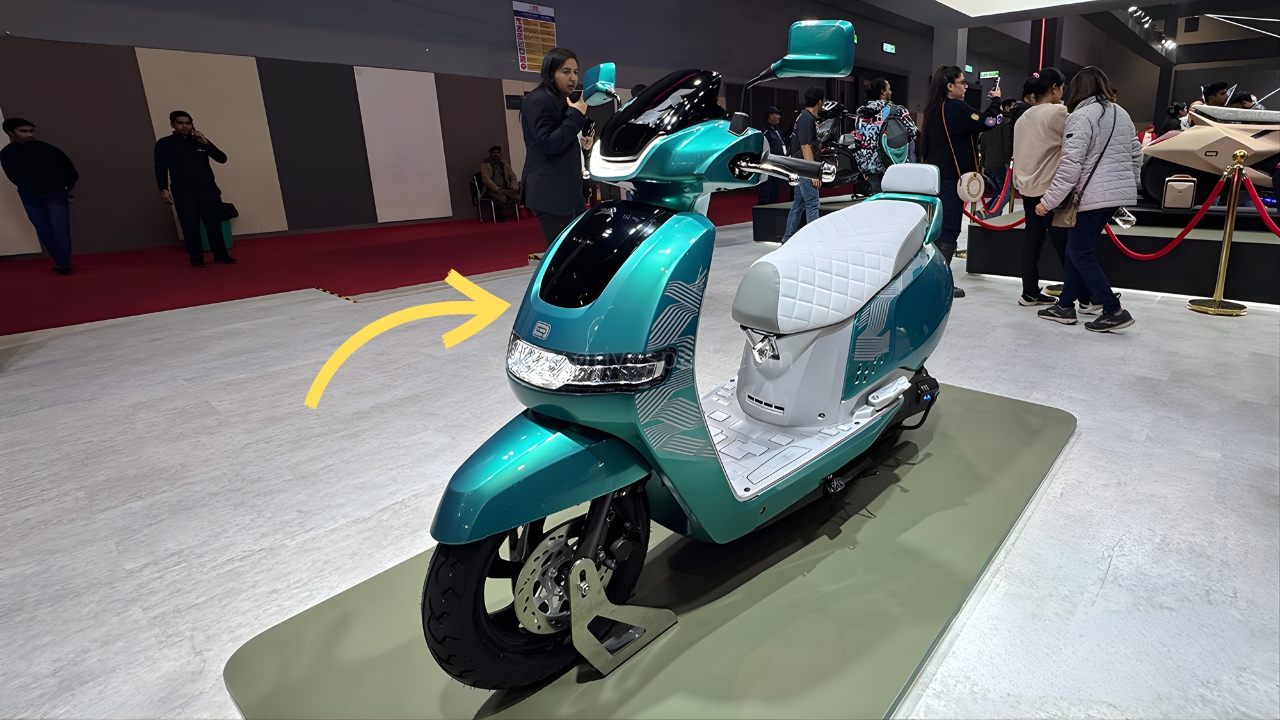
Picture this: you’re weaving through a crowded market, and heads turn because the 2026 iQube doesn’t scream “EV” anymore—it blends right in like a premium petrol scooter.
TVS has refined the curves, sharpened the LED headlights into sleeker strips, and added matte dual-tone shades that pop under streetlights, think walnut brown fading into copper bronze.
The grab rails are chunkier for pillion comfort, and that glowing “Electric” badge on the swingarm lights up blue while charging, a cheeky nod to its green heart.
What really grabs me is how they’ve kept the upright riding stance but lowered the center of gravity with batteries tucked under the floorboard.
At 117-128 kg kerb weight, it feels planted, not bulky, perfect for us Indians who load up scooters with groceries or kids.
Also Read: Maruti Dzire 2026 Fantastic features sedan comes with 5 star safety rating and 1.2L petrol engine
Ground clearance stays at 165 mm to handle potholes without scraping, and the 770 mm seat height means even shorter riders like my aunt can manage it solo. It’s not flashy like some startups’ designs; it’s practical, built to last monsoon after monsoon.
Power and Range That Finally Match the Hype
Remember those early iQube days when range anxiety hit hard after 70 km? Not anymore. The 2026 lineup promises up to 212 km IDC on the top ST 5.3 kWh variant, with real-world tests showing 180 km easy in city Eco mode.
The 4.4 kW BLDC hub motor dishes out instant 140 Nm torque, hitting 82 kmph top speed without breaking a sweat—Power mode pulls like a rubber band snapping.
Battery options scale smartly: base 2.2 kWh for 94 km budgets, mid 3.5 kWh at 145 km for daily commuters, and that beastly 5.3 kWh for weekend warriors. IP67-rated packs shrug off dust and water, backed by a BMS that prevents overcharge drama.
Charging? Plug into any 15A socket—4-6 hours full, or 80% in under 4 on faster units. I’ve seen owners top up midday at offices, costing peanuts at ₹20 per full charge versus petrol’s burn.
Regen braking feels stronger too, feeding energy back without jerking you forward like older models. Hill hold keeps you steady on inclines, and no more wheel lock on gravel thanks to refined CBS. It’s not a speed demon for highways, but for 90% of us glued to urban grids, this is gold.
Also Read: Volkswagen Virtus 2026 Stylish design sedan comes with 1.0L petrol engine, mileage is 20kmpl
Tech Smarts That Feel Personal
TVS nailed the cockpit with a brighter 7-inch TFT touchscreen on ST trims—responsive, customizable, with 4G for over-the-air updates that tweak performance overnight.
Joystick nav for gloves-on use, Bluetooth pairs seamlessly for calls, music, and turn-by-turn that actually listens to Hindi commands sometimes.
Geo-fencing pings your phone if it wanders, crash alerts save lives, and remote DTE tells you battery status from across town.
Q-Park reverse assist is a game-changer in tight parking spots—I’ve backed into impossible gaps without sweat.
TPMS warns of flats early, USB port keeps phones alive, and 32L under-seat storage swallows helmets plus bags.
App integration? Slick for telemetry, but yeah, music sync can glitch occasionally—nothing a restart doesn’t fix. It’s tech that works for real people, not just influencers posing.
Pricing and Why It’s a Steal in 2026
Ex-showroom starts at ₹96,422 for the base after EMPS subsidies (down from FAME), climbing to ₹1.63 lakh for ST top-end—on-road around ₹1.1-1.8 lakh depending on your state.
Also Read: OnePlus 15R 5G 512GB storage smartphone comes with 7400mAH powerhouse, camera is 50MP
That’s competitive against Ola S1 or Ather Rizta, especially with TVS’s 2,000+ charging spots and legacy service network. Low 5% GST and state perks sweeten it; running costs? ₹0.15/km versus ₹3+ on petrol Activa.
Expected late 2026 launch for ST concept tweaks, but current stocks fly off shelves—over 6 lakh sold already. Variants like 3.1 kWh at ₹1.08 lakh hit the sweet spot for most families.
TVS iQube 2026 Facing Off Against the EV Pack
In India’s dogfight EV scene, iQube edges Ola on reliability (fewer service moans), matches Ather’s range but beats on family space, and smokes Chetak’s retro vibe with modern brains.
Users rave about smooth rides and savings, though some gripe on app bugs or regen harshness—TVS is patching via OTA. Against Activa EV rumors, iQube’s proven ecosystem wins.
Also Read This : Jeep Grand Cherokee Luxury 5 seater SUV comes with panoramic sunroof and 2.0L petrol engine
For city hustlers in Panipat or Pan-India, it’s the no-fuss pick. Battery warranty? 3 years/50,000 km, lasting 75,000 km easy. Drawbacks like no fast-charge or full-helmet boot exist, but upgrades make it future-proof.
This 2026 iQube isn’t revolutionizing wheels—it’s perfecting what works, making green riding feel effortless. If TVS nails the rollout, expect queues like iPhone launches. Who’s ready to swap petrol pain for electric joy?