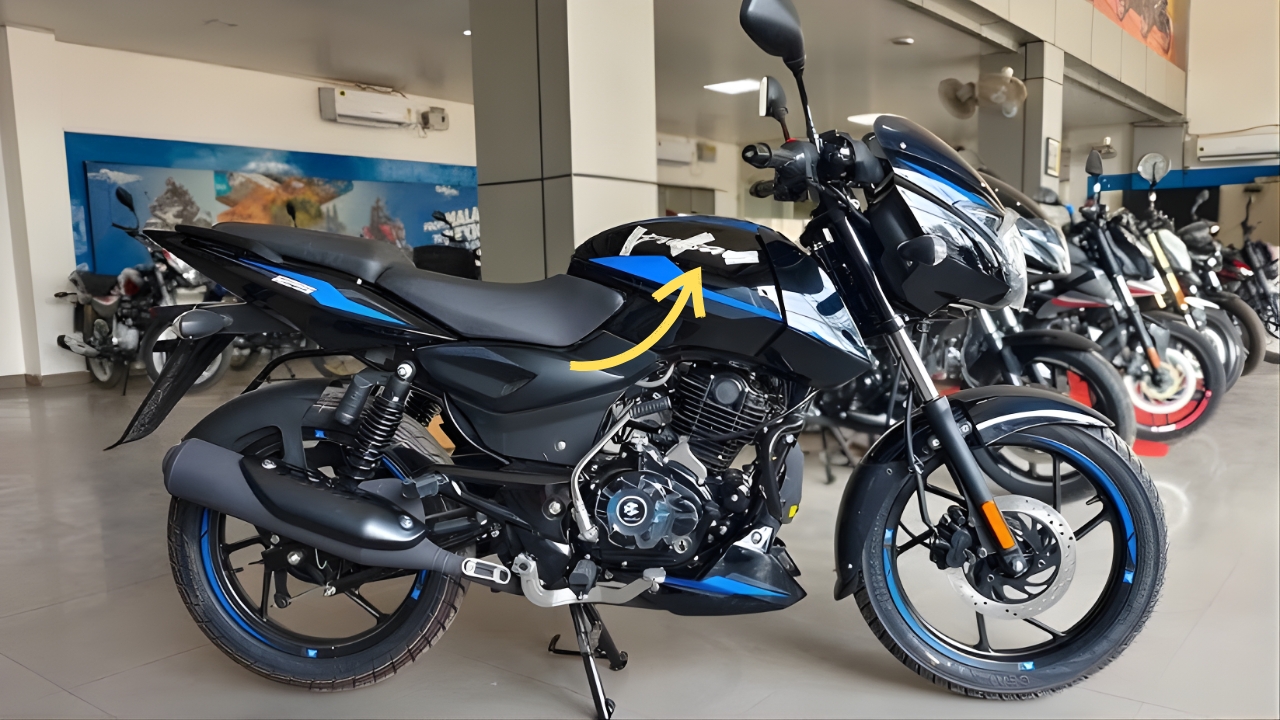
Bajaj Pulsar 125 : Bajaj Auto has updated the Pulsar 125 for 2026 in India with a cleaner design, new colour themes, and LED lighting, while keeping the mechanical package unchanged.
The refreshed model starts at Rs 89,910 ex-showroom, and the split-seat version is priced at Rs 92,046 ex-showroom.
What Changed
The biggest news is not a new engine or a major chassis overhaul, but a visual and feature-focused refresh. The 2026 Pulsar 125 now gets an LED headlamp and LED turn indicators, along with new graphics and colour options to keep it relevant in the crowded 125cc commuter-sport segment.
Bajaj appears to be targeting buyers who want the Pulsar badge and sporty styling without moving to a bigger or more expensive motorcycle. That makes sense in India, where the 125cc class is heavily driven by mileage, affordability, and brand appeal.
Price And Variants
The 2026 Pulsar 125 is offered in two main variants: Carbon Disc Single Seat LED and Carbon Disc Split Seat LED.
The single-seat version is priced at Rs 89,910, while the split-seat version costs Rs 92,046, both ex-showroom Delhi.
Also Read: Google Pixel 10 Pro XL 5G AI features smartphone with 512GB storage, RAM is 12GB
The price increase is modest compared with the outgoing model, and media reports place the premium at roughly Rs 3,500 for the update.
In practical terms, the change is small enough that the refreshed lighting and styling should feel like a worthwhile upgrade for buyers shopping in this segment.
Engine And Mileage
Mechanically, the Pulsar 125 continues with the same 124.38 cc single-cylinder setup producing 11.8 PS and 10.8 Nm, paired with a 5-speed gearbox.
The motorcycle still uses an air-cooled, BS6-compliant DTS-i engine, and the broader hardware remains focused on everyday usability rather than performance upgrades.
Also Read: Kia Seltos 2026 1.5L petrol engine SUV comes with 6 safety airbags, design is premium
Mileage figures listed by major bike portals sit around 51.46 kmpl to 57 kmpl, depending on the source and testing conditions.
For Indian commuters, that makes the Pulsar 125 a practical option if they want a sportier look without giving up fuel efficiency.
Features And Hardware
The Pulsar 125 continues with drum brakes at both ends on the base specification listed by bike portals, alloy wheels, tubeless tyres, and a 15-litre fuel tank. The kerb weight is listed at 146 kg, which keeps it in the familiar commuter-bike zone for urban use.
The 2026 update is mainly about bringing the motorcycle closer to modern styling expectations. LED lighting and sharper colours matter in this segment because many buyers judge a bike visually first, especially when comparing it against rivals like the TVS Raider 125 and Hero Xtreme 125R.
Why It Matters
This update matters because the Pulsar 125 is one of Bajaj’s most important entry-level sporty commuters. A subtle refresh helps it stay competitive without changing the formula that already works: familiar Pulsar styling, low running costs, and an easygoing engine character.
Also Read: Kawasaki Ninja 300 296cc powerful engine bike comes for attract young boys, look is fantastic
For Indian buyers, the 2026 model strengthens the Pulsar 125’s value proposition rather than reinventing it. If someone wants a commuter that looks a little more premium than a basic 125cc bike, the new LED treatment and updated graphics should make the model more appealing in showrooms.
Bajaj Pulsar 125 Market Outlook
In the Indian market, the 125cc segment is crowded and aggressive, so even small updates can influence buying decisions.
Bajaj’s decision to refresh the Pulsar 125 instead of changing the engine suggests the company is protecting price, reliability, and mileage while improving showroom appeal.
Also Read This : Skoda Slavia 2026 Ventilated seats sedan comes for small families, design is amazing
That strategy is likely to work with urban riders, college commuters, and first-time buyers who want a recognizable nameplate.
The 2026 Pulsar 125 may not be a dramatic new model, but it is a timely update that keeps the bike aligned with current buyer expectations in India.