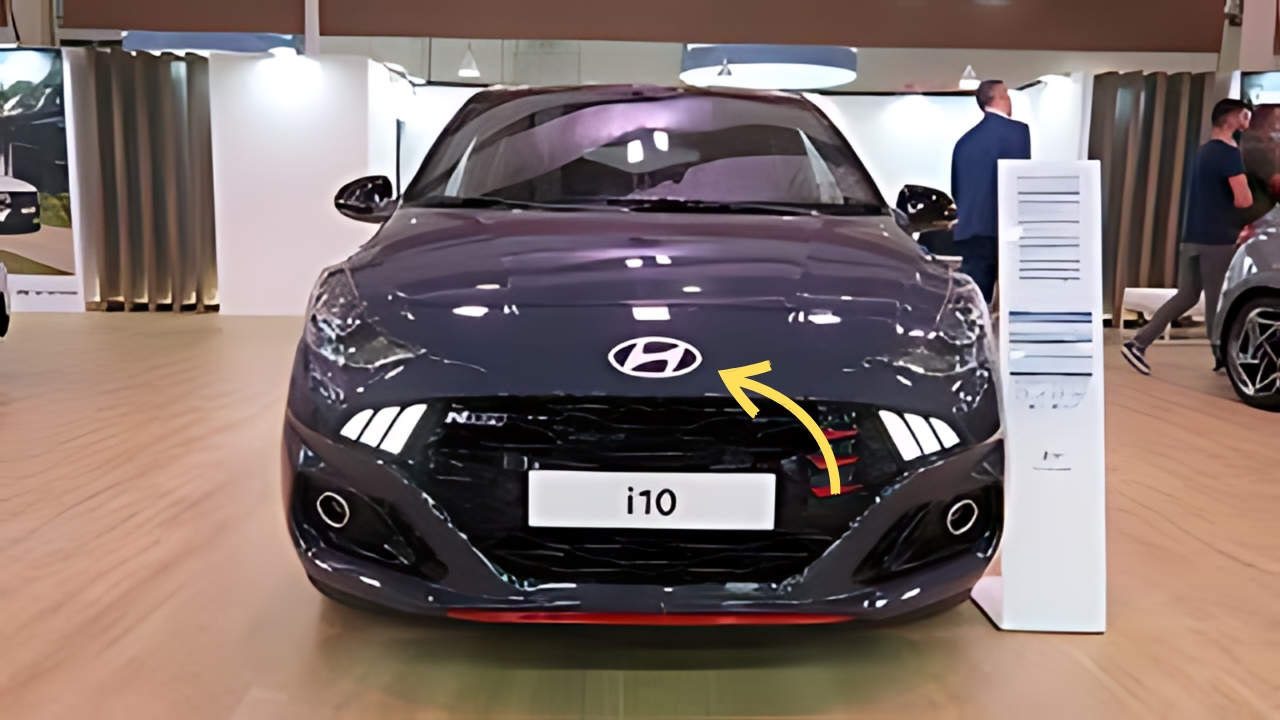
Hyundai i10 2026 : Hey folks, if you’re scouting for a zippy little hatchback that doesn’t break the bank but packs a punch in city traffic, Hyundai’s Grand i10 Nios just got a sneaky refresh for 2026.
No major overhaul here – think of it as Hyundai tweaking the recipe to keep it tasting fresh amid rising fuel costs and picky buyers. Dealers are already whispering about these changes, and the updated brochure spills the beans on what’s new.
Subtle Shifts in Variants and Powertrains
The big news? Hyundai has axed the Magna AMT variant, which was the sweet spot for budget auto lovers at around Rs 6.85 lakh ex-showroom.
Now, if you want an automated manual transmission, you’re jumping straight to the Corporate AMT at Rs 7.12 lakh – that’s a Rs 27,000 hike right off the bat. It’s Hyundai’s way of pushing folks toward slightly loaded trims without screaming “price increase.”
On the top end, the SX(O) Connect and SX(O) Connect Knight variants have ditched the petrol-manual option. These are now auto-only with the AMT gearbox, making them perfect for those who hate clutching in bumper-to-bumper Delhi jams.
And for CNG fans, goodbye single-cylinder setup; it’s dual-tank all the way now, costing about Rs 7,700 more but giving better boot space and balance. The single-cylinder lives on in the Prime HB taxi model for fleet operators, though.
Also Read: Maruti Suzuki XL7 Comfortable features MPV launched with 1.5L engine, price is ₹12 Lakhs
Why These Tweaks Matter for Indian Roads
Picture this: you’re weaving through Mumbai’s monsoon madness or haggling at a Panipat market. The Grand i10 Nios has always been a champ here – compact at 3.8 meters, easy to park, and sipping fuel like a pro.
With petrol-manual base Era now up Rs 7,722 to kick off around Rs 5.93 lakh ex-showroom, it’s still cheaper than rivals like the Swift or WagonR in similar specs.
CNG buyers get a nudge toward practicality with the dual-cylinder, which means no more awkward tank bulges eating your luggage space on family trips to Haryana’s hills.
Safety stays solid with six airbags in higher trims, ABS, and that trusty 1.2-litre Kappa petrol making 82 bhp and 114 Nm – punchy enough for highways, frugal at 21 kmpl ARAI.
Pricing Puzzle: Affordable or Sneaky Hike?
Hyundai hasn’t flashed a full press release yet, but the brochure hints at on-road prices starting Rs 6.5-7 lakh in cities like Delhi or Bangalore for base models.
Top autos could touch Rs 9.5 lakh loaded with sunroof, 8-inch touchscreen, and wireless charging. Compared to last year, it’s a mild bump – blame inflation and chip costs – but value holds up against Tata Tiago or Maruti Ignis.
Also Read: Kia Carnival New luxury 7 seater MPV launch with 2.2L diesel engine, mileage is more
Corporate and Sportz trims shine for urban pros: projector headlamps, rear AC vents, and Bluelink connectivity for remote AC start.
Imagine pre-cooling your car via app while sipping chai at work – small luxuries that make daily grinds bearable.
Rivals Circle as Hatchback Wars Heat Up
Maruti’s Swift sells like hot parathas, but Nios fights back with premium feels – leatherette seats, cruise control in Asta.
Tata’s Tiago EV looms, yet Nios CNG undercuts on running costs (Rs 2/km). Hyundai’s betting these tweaks keep volumes steady at 10,000+ units monthly, especially in Tier-2 towns where automatics are booming.
No hybrid or electric yet – that’s for the next-gen Ai4 in 2027 – but whispers of EV testing add intrigue. For now, 2026 Nios refines what’s loved: reliability from Hyundai’s 3-year/unlimited km warranty, peppy drive, and that confident stance.
What Buyers Are Saying on the Ground
Hit up forums or dealer lots, and chatter’s positive. A Panipat cabbie told me the dual CNG’s a win for longer hauls without refills every 100km.
Also Read: Honda WR-V luxury SUV comes with 16inch alloy wheels, ultimate features and mileage is 24kmpl
Young buyers dig the Knight Edition’s blacked-out alloys and red accents – Instagram-ready without ostentation.
Minor gripes? Boot’s still 260 litres, tight for weekend getaways, and no ADAS basics like auto emergency braking.
Service costs hover Rs 3,000 yearly, cheaper than premium hatches. Resale? Stellar, thanks to Hyundai’s network sprawling 1,300+ touchpoints pan-India.
Hyundai i10 2026 Looking Ahead: 2026 Nios in Your Garage?
These 2026 updates aren’t revolutionary, but they’re smart – streamlining choices, hiking entry autos slightly, and prioritizing usable CNG.
If you’re trading an old Alto or eyeing first car under Rs 8 lakh on-road, test drive the Corporate AMT pronto. It zips 0-100 in 12 seconds, corners like a go-kart, and feels upscale.
Also Read This : Nothing Phone (4a) Pro 5G 144Hz smooth display smartphone comes with gaming processor, design is fabulous
Hyundai’s playing long game; full next-gen in 2027 promises bolder looks, maybe turbo-petrol. Till then, refreshed Nios rules entry-hatch throne for practical Indians chasing style sans fuss. Head to your nearest showroom – the wait’s worth it for that Hyundai badge gleam.